How I'm Planning the Garden Different This Year
If you’ve ever planned a garden you know how quickly it can become overwhelming. It always starts with excitement and quickly turns into too many ideas and not enough direction. There are endless options for flower varieties and vegetables that can quickly get added to the cart because we want all of them. That is why this year for my planning, I have decided to work backwards. My past gardens have all kind of failed because I just started growing vegetables without a plan. We didn’t really end up eating them as a family, or we had too much of one thing at once.
Before ordering my flower and vegetables this year I answered two very important questions to get my planning started and these were it:
For my vegetable garden planning I asked myself:
Question #1: What does my family eat the most for vegetables throughout the year?
Asking myself what we actually eat in our house and planning my garden around this I already feel confident that we will take more care in weeding and tending to the garden because I have a plan and this will help our family save money throughout the year.
Question #2: Of those that we eat, if I grow them, how do I plan to use them at the end of the season? (freezing, canning, eating, etc.)
Asking this question made me realize what I wanted to do with our produce and will help me plan for the vegetables instead of just having way too many fresh vegetables counterside and ending up in the chicken/pig pen.
For example, I know my family eats a ton of spaghetti and red sauce based items with our two little girls. I want to have canned tomato sauces available in our pantry for us to grab from instead of having to buy expensive organic options from the store. Knowing this I want to plan to grow enough tomato varieties for fresh eating AND canning. This way I can set aside a week or two in the fall for canning my tomato sauces.
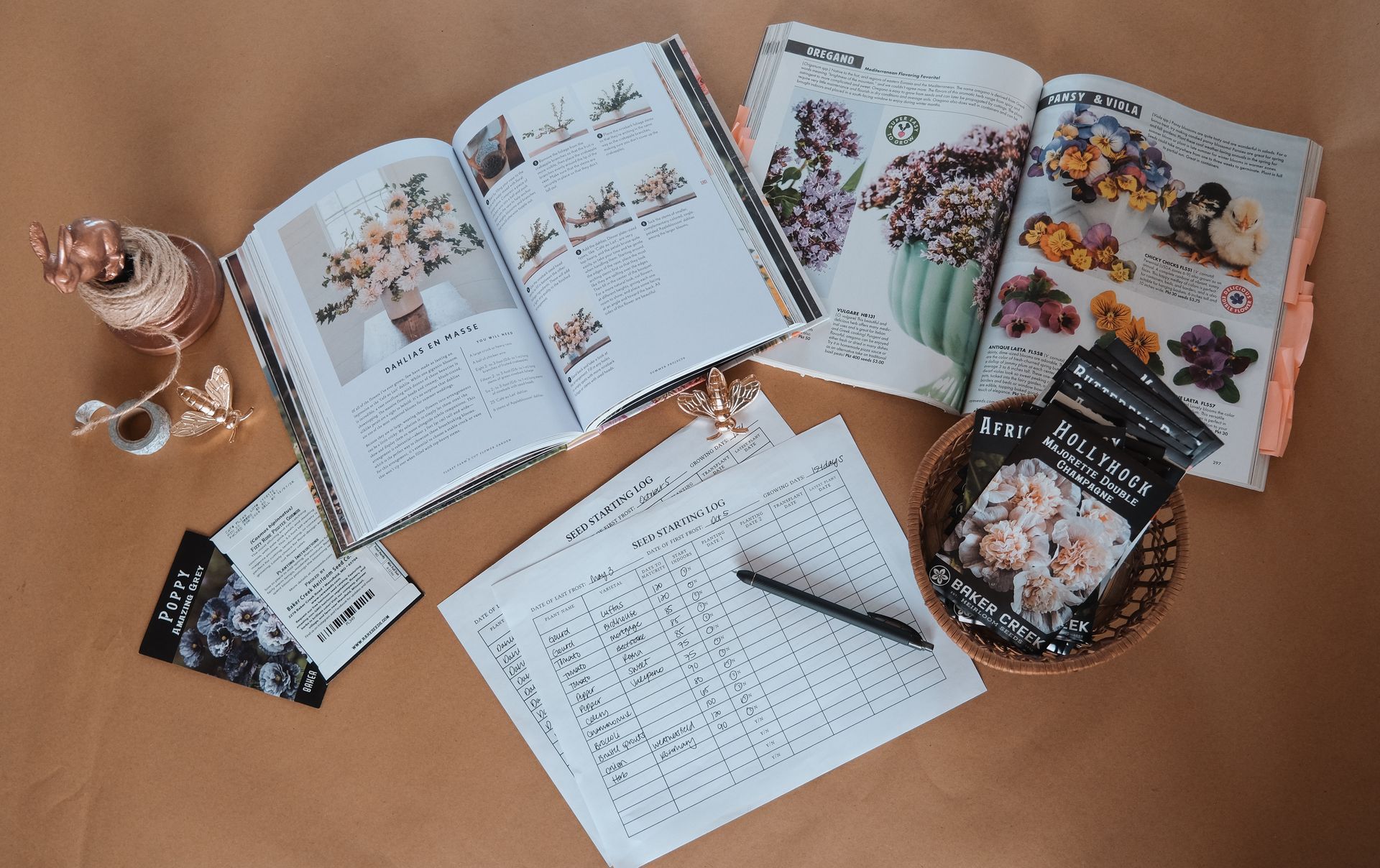
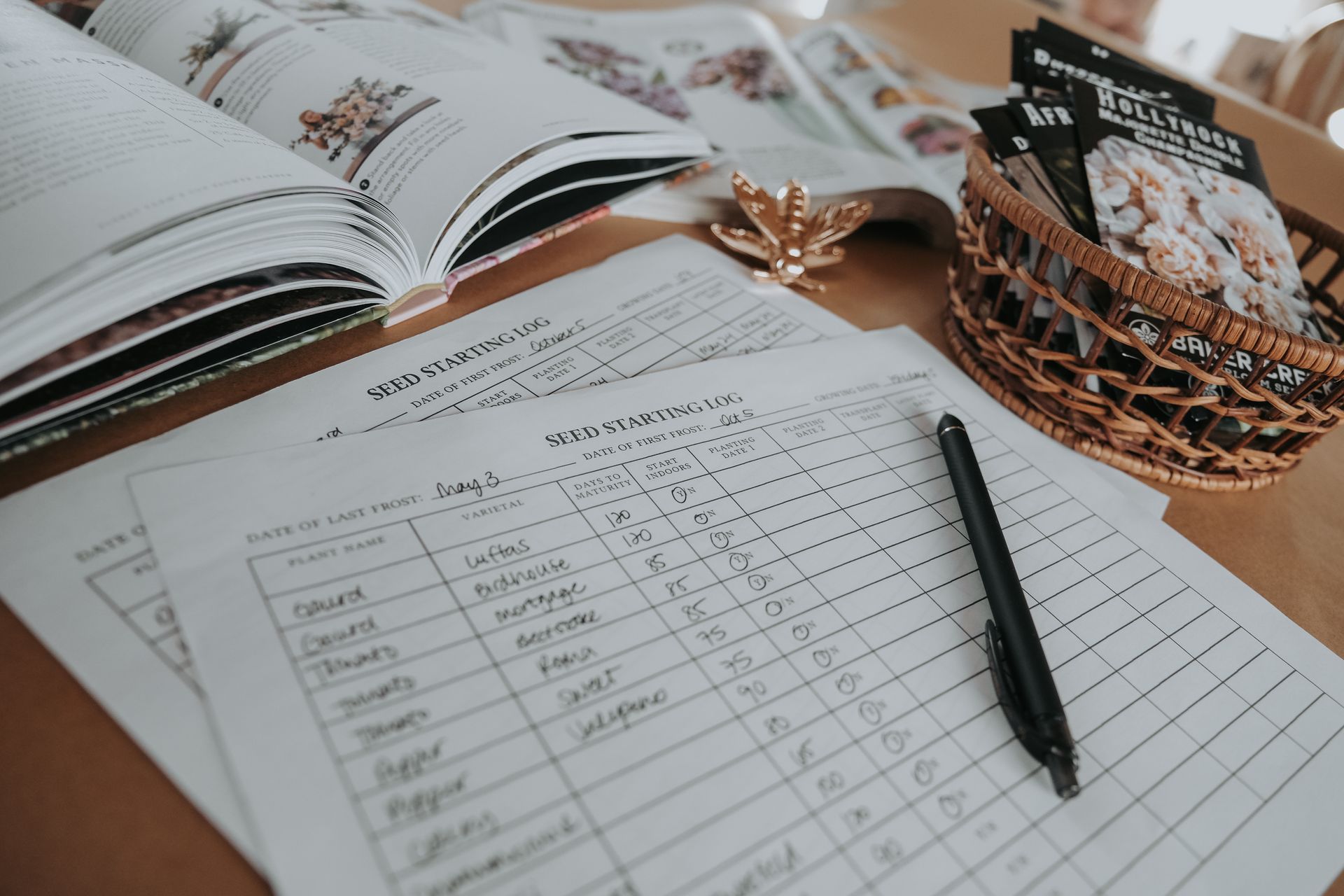
I love creating lists and a few columns that help me create my vegetable garden list and plan were having something like this:
Vegetable | Purpose | Items Needed | Schedule | Quantity Goal | Plants Needed
Then I used that list to order my vegetable garden seeds.
For my trial cut flower farm planning I asked myself these questions:
Question #1: What are the items I want to grow to include in my bouquets?
Having to sit down and put together a list of the items I wanted in the end helped guide my flower shopping immensely. I actually found idea pictures of bouquets I liked, wrote detailed information on what to include in the bouquet (even specifics on the amount of focal flowers/varieties) and then created my list for focal flowers, fillers, and foliage based on the bouquets I want to sell. I applied this method to everything that I plan to sell at the farmers market or offer to my customers online. Including dried bouquets or flower art. This helped me get crystal clear on what to order and to grow for the season without the overwhelm of not knowing what to order. I also believe this will help me at the end of the season because I will have a very good idea of how to create my bouquets and create consistency.
-Where am I going to be selling these or what will I be doing with them during peak season?
Answering this question in the planning phase is going to help me stay focused on my efforts and to know that my work will be meaningful and useful in the end. And a great reminder of why I started this project or garden. For this year I am solely growing for trial and error, marketing efforts, and will maybe try to sell a few bouquets at one off markets, but for the most part will be donating and gifting the bouquets for marketing purposes for 2027. Answering this question helps give me direction and purpose; and next year will be an entirely different answer.
I love starting my planning with these questions because it makes me feel confident in opening up the giant seed catalog or online directory for flowers and not getting so overwhelmed. I also love starting the season answering these questions because it helps teach myself and my kids to garden and grow with intention. Growing vegetables that we will eat throughout the year and flowers that we plan to do projects with or make bouquets for friends and family with make them that much more meaningful.
We are growing with a purpose. And in a few months, we will be able to look back and see where those intentions paid off. Planning this way has also changed how I involve my kids in the process.
Ways that I include my toddler in the planning process of our garden:
-ask what their favorite foods are
-let them help look for those items in the catalogs
-sort and open the seed packets when they arrive
Since we live on our family's 6th farm, we love to talk about our ancestors that lived here before us and teach our kids that this land has been loved by everyone in our family. We use questions like this in our conversations to engage the thought process of the family farm and bring its history into our present day.
-What foods do we think our ancestors grew on this farm?
-Where did they plant their gardens?
-Where did they store their foods for the year?
-Who do we think tended to the garden the most?
-What did our current garden plot used to be? (Field, pig pen, cow pen)
The more I plan this way, the more I realize that gardening is not just about what we grow.
It is about how we think, how we prepare, and what we choose to pass down.
What are some tasks that you can try working backwards to plan and accomplish goals in your garden or cut flower farm?
Or if you live on a generational farm, how do you teach your children about your farm’s legacy during seasons like this?